Stop Living With Every Step Hurting
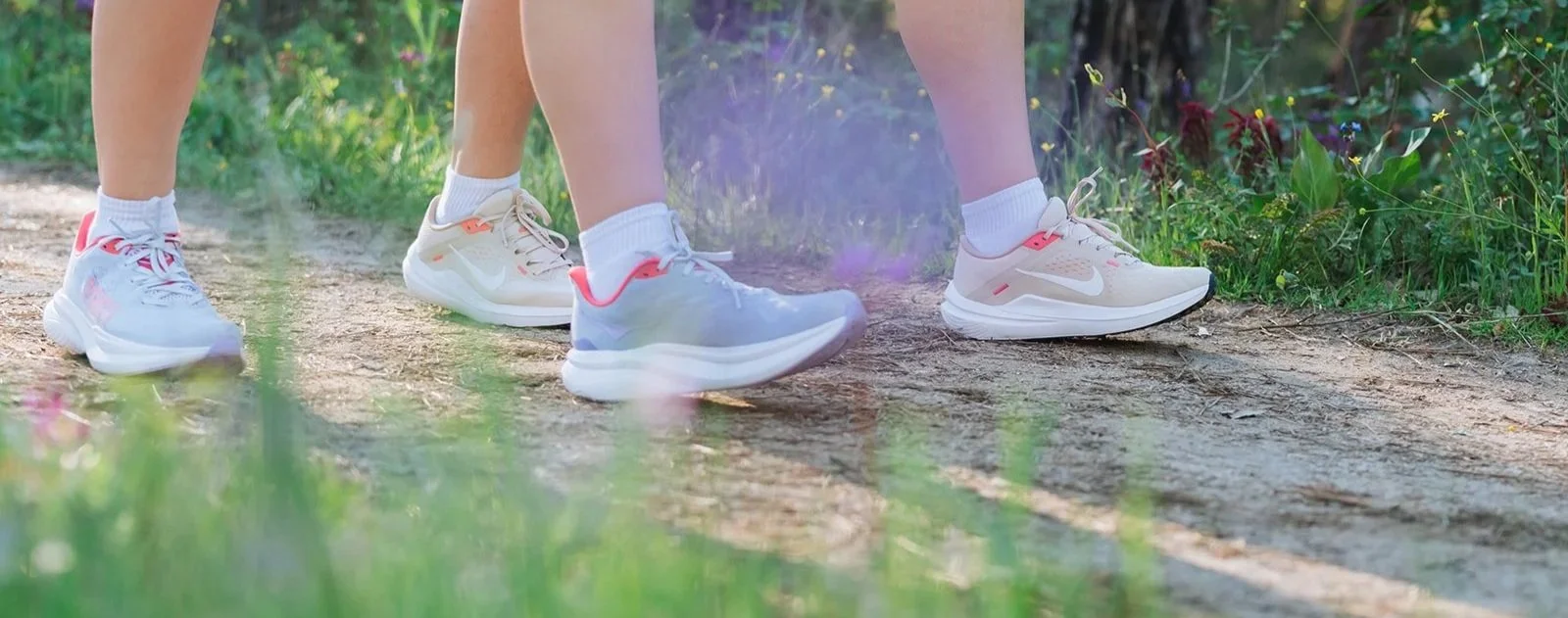
How shockwave therapy is changing the treatment of plantar fasciitis — without surgery, without downtime.
You know the feeling. Your alarm goes off, your feet hit the floor — and those first steps feel like walking on broken glass. For millions of Americans living with plantar fasciitis, that morning ritual of stabbing heel pain has become a grim daily constant.
At Grants Pass Podiatry, we believe you shouldn’t have to simply live with it. The good news: a treatment that was once considered cutting-edge is now accessible right here in the Rogue Valley — and the science behind it is more compelling than ever.
What Is Extracorporeal Shockwave Therapy?
Extracorporeal shockwave therapy — ESWT for short — uses focused acoustic pressure waves delivered through the skin to target damaged soft tissue. At Grants Pass Podiatry, we use the Zimmer Biomet enPuls device, a precision radial shockwave system trusted by podiatrists and sports medicine specialists worldwide.
The waves penetrate deep into the plantar fascia — the thick band of tissue that runs along the bottom of your foot — stimulating your body’s own repair mechanisms at the cellular level. Think of it as jump-starting healing that has stalled out in chronically inflamed tissue.
“ESWT is postulated to stimulate neovascularization and collagen synthesis, contributing to the healing of degenerated or inflamed plantar fascia.”
The Science: What Recent Research Shows
This isn’t experimental medicine — it’s backed by a growing and robust body of peer-reviewed research. Here’s what the latest science tells us:
SCIENCEDIRECT — FOOT & ANKLE SURGERY, 2024
A comprehensive meta-analysis of 15 randomized controlled trials covering 1,123 patients found that ESWT performed significantly better than placebo for pain reduction, with particularly strong results on the Visual Analog Scale and the Foot Function Index. Researchers concluded that ESWT is a comparable — and often superior — option to other conservative treatments.
EUROPEAN JOURNAL OF PHYSICAL & REHABILITATION MEDICINE, 2024
A systematic review with meta-analysis and meta-regression published in late 2024 evaluated the efficacy and tolerability of ESWT for plantar fasciitis. The study highlighted high treatment adherence, low dropout rates, and a strong safety profile — reinforcing ESWT as a well-tolerated frontline option for patients who haven’t responded to standard conservative care.
BMC MUSCULOSKELETAL DISORDERS, 2025
A randomized controlled trial following 129 patients through a 12-month period found that radial ESWT delivered meaningful improvements in pain, foot function, and gait dynamics in plantar fasciitis patients — with strong tolerability across diverse patient profiles.
FRONTIERS IN BIOENGINEERING & BIOTECHNOLOGY, 2025
A 2025 multi-parameter analysis tracking gait recovery after ESWT found patients experienced measurable improvements in walking mechanics, stride patterns, and plantar pressure distribution — not just subjective pain scores — confirming that shockwave therapy addresses functional root causes, not just symptoms.
Why We Use the Zimmer Biomet Device
Not all shockwave devices are equal. The Zimmer Biomet enPuls delivers radial pressure waves that disperse energy through the affected tissue at a depth and intensity that other therapies simply cannot replicate. Its precision applicator allows our doctors to target the exact site of pathology at the plantar fascia insertion — the origin point of your pain.
What to Expect at Grants Pass Podiatry
4 to 6 brief in-office sessions, each lasting approximately 5 minutes
Treatments spaced one week apart — no disruption to your schedule
No anesthesia, no needles, no surgical incisions
Minimal to no downtime — most patients walk out and carry on with their day
A customized protocol developed by your podiatrist for your specific presentation
Gradual, progressive improvement that builds over the course of treatment
Is Shockwave Therapy Right for You?
ESWT is an excellent option for patients who have struggled with persistent plantar fasciitis pain for three months or longer — especially those who haven’t found lasting relief from stretching, orthotics, or cortisone injections. Extensive clinical research shows an average success rate of approximately 80% with radial shockwave therapy, with results comparable to — or exceeding — surgery, without the associated risks or recovery time.
At Grants Pass Podiatry, we’ll conduct a thorough evaluation and discuss whether ESWT fits your clinical picture before recommending a course of treatment.
Ready to Take Pain-Free Steps Again?
Our team is here to help you find lasting relief — right here in Grants Pass. Schedule a consultation and let’s talk about whether shockwave therapy is right for you.
(541) 476-4458 — Call Us Today
Grants Pass Podiatry · Serving Southern Oregon
SCIENTIFIC REFERENCES
Cortés-Pérez I, et al. “Efficacy of extracorporeal shockwave therapy, compared to corticosteroid injections, on pain, plantar fascia thickness and foot function in patients with plantar fasciitis.” Clinical Rehabilitation. 2024 Aug;38(8):1023–1043.
Lippi L, et al. “Efficacy and tolerability of extracorporeal shock wave therapy in patients with plantar fasciopathy: a systematic review with meta-analysis and meta-regression.” European Journal of Physical & Rehabilitation Medicine. 2024 Sep;60(5):832–846.
Daher M, et al. “Extracorporeal shock wave therapy shows comparative results with other modalities for the management of plantar fasciitis: A systematic review and meta-analysis.” Foot & Ankle Surgery, ScienceDirect. 2024.
Radehi Z, et al. “The effectiveness of radial extracorporeal shock wave therapy (rESWT) in plantar fasciitis: a 12-month randomised controlled trial.” BMC Musculoskeletal Disorders. 2025.
“Study on the multi-parameter combination analysis and quantitative evaluation of the efficacy of extracorporeal shock wave therapy for plantar fasciitis.” Frontiers in Bioengineering and Biotechnology. 2025.
Grants Pass Podiatry · Grants Pass, Oregon · This content is for educational purposes and does not constitute medical advice. Consult your podiatrist to determine if shockwave therapy is appropriate for your condition.